Winter Boat Maintenance Before Outdoor Parking
Finish winter boat maintenance before you park. Outdoor boat-on-trailer spaces, gated access 6 AM-9 PM, and 24/7 video surveillance in Indian Trail, NC.
Winter Boat Maintenance: What to Do Before Your Boat Goes on the Lot
TL;DR / Quick Summary - Finish winter boat maintenance at home or with a mechanic you trust. Then park the boat-on-trailer on an outdoor lot. - Total Space in Indian Trail, NC provides covered and uncovered boat parking, gated access from 6:00 AM to 9:00 PM, and 24/7 video surveillance. - Staff do not winterize engines or drain water systems. Spaces for a boat-on-trailer run 10x20 to 12x30. Parking is month-to-month.
Finish winterizing before the trailer reaches the gate. An outdoor lot in Indian Trail holds the rig. A winterized boat is easier to retrieve at 6:00 AM on a Saturday.
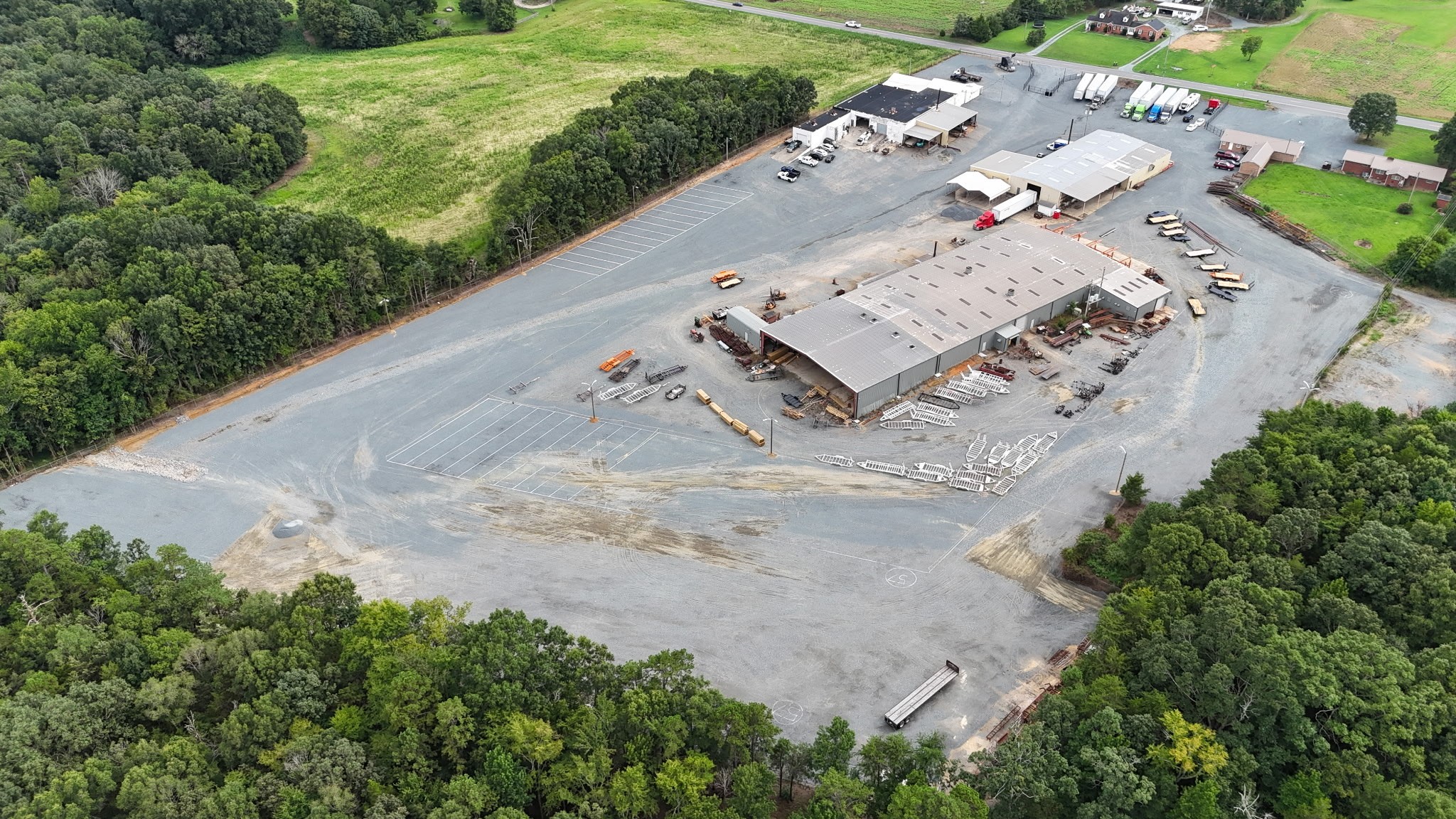
Why Does Winter Boat Maintenance Come Before Outdoor Parking?
You trailer to lakes around the Charlotte metro. The boat-on-trailer will not fit beside the house. Street parking leaves the rig exposed.
That plan works after winter prep is finished.
Do the winterizing yourself or take the boat to a mechanic you already trust. Total Space offers outdoor boat parking in Indian Trail. Staff do not winterize your engine or drain your water system.
They park the rig in a space, keep the lot gated and well-lit, and run 24/7 video surveillance.
Finish the work at home. Pull in, set the cover, and walk away. An unprepared boat sitting outdoors can face freeze damage, stale fuel, a dead battery, or a cover that has come loose in the wind.
Month-to-month parking lets the boat sit through the off-season. The lot holds the trailer. You own the condition of the boat.
How Does Outdoor Boat Parking Change the Winter Plan?
There is no climate-controlled building for the boat.
Plan for weather. Rain, wind, and cold reach an outdoor lot. Your cover, hull prep, battery care, and water-system drain carry more weight here than they would inside a warehouse.
Parking is month-to-month. The boat can sit through the off-season and come out when the season starts. Ask how a space is assigned before you tow in.
Outdoor parking in Indian Trail is built for vehicles and trailers.
Covered or Uncovered: Which Outdoor Space Fits a Boat-on-Trailer?
You choose a covered outdoor space or an uncovered outdoor space for the boat-on-trailer.
| Factor | Covered outdoor space | Uncovered outdoor space |
|---|---|---|
| Direct weather on the rig | Reduced | Open air |
| Cover still needed | Yes. A tight cover still matters. | Yes. The cover must stay put in wind. |
Match the choice to how you cover the boat and how you feel about sun, rain, and debris.
Do not count on hookups or extra systems the lot has not described for your space. Ask which covered and uncovered parking services fit a boat-on-trailer in the 10x20 to 12x30 range.
The facility offers covered, uncovered, and covered-with-electric-hookup outdoor spaces. Confirm what applies to the space you want.
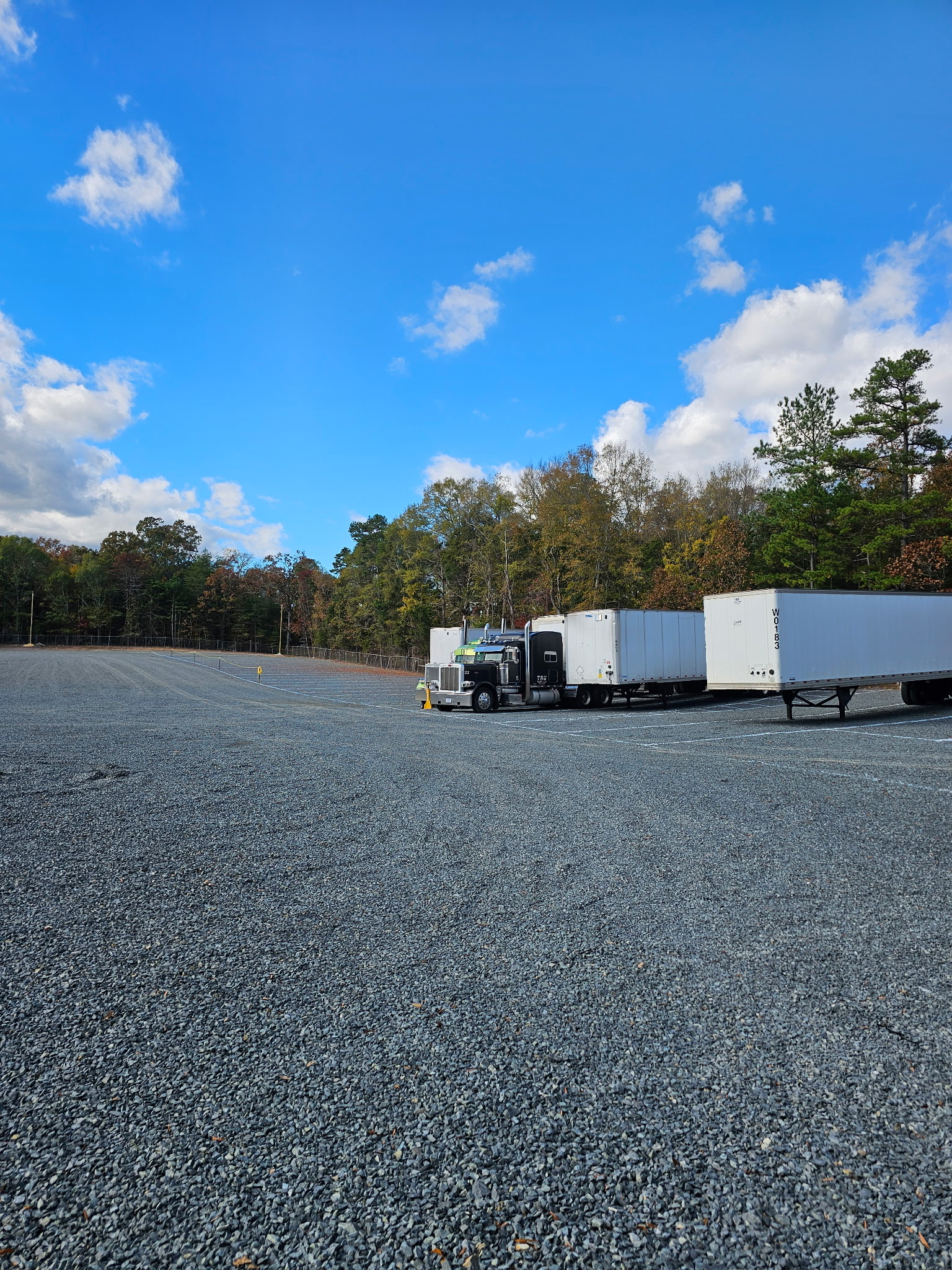
What Are Gate Hours vs. 24/7 Video Surveillance?
Boat and trailer spaces use daily access from 6:00 AM to 9:00 PM. That window is not 24-hour access. It is not 24/7 entry.
24/7 applies to video surveillance only.
A 6:00 AM gate opening matches a weekend lake trip. You can hitch up and roll out at the start of the day without waiting on anyone. You need to be back through the gate by 9:00 PM.
Set your plan for a 6:00 AM departure, not a 5:00 AM gate wait.
Questions on hours belong in the FAQs or a call to the office. Confirm the access window before you count on a late return.
What Boat Maintenance Steps Should You Finish Before You Park?
Work through the boat in a fixed order before you tow it to the lot:
- Engine and fuel
- Water systems
- Battery, electronics, and interior moisture
- Hull, cover, and trailer
This is owner work or mechanic work. Total Space is not a winterization shop. The list below is a planning checklist, not a product recipe.
Skip brand names, mix ratios, and temperature charts. Follow your engine manual and your mechanic for those details. Do this work before the trailer reaches the gate.
How Do You Prep the Engine, Fuel, and Water Systems?
Start with the engine. A boat that sits outdoors through winter can see fuel varnish, corrosion, and freeze damage if the engine is left as it came off the lake.
Fog the engine or follow the winterizing steps in the owner’s manual. Change oil and filters if your manual calls for that before a long sit. Stabilize fuel so it does not go stale in the tank.
Fill or treat the tank the way your engine maker directs.
Water is the next risk on an outdoor lot. Drain livewells, ballast, washdown lines, and any onboard water tank. Run the water out of the engine’s cooling path the way the manufacturer describes for winter.
Get water out of pumps and seacocks. Ice in a blocked line can crack a fitting. An outdoor lot does not keep those lines warm.
Outboards, sterndrives, and inboards each have their own drain points. Follow the manual for your setup. If you are not sure you hit every passage, a marine mechanic should do this step.
Total Space will park the winterized boat. The shop or the owner handles the engine and the water.
How Do You Handle the Battery, Electronics, and Interior Moisture?
A battery left on the boat through winter can drain, freeze, or sulfate. Disconnect it. Take it home to a trickle charger, or confirm your mechanic’s plan for storage charge.
Do not assume an outdoor parking space will keep a battery healthy on its own.
Electronics fail in moisture. Remove portable GPS units, radios you can unclip, and anything you do not want sitting in a damp cabin. Open compartments, dry bilges, and wipe standing water before you cover the boat.
A moisture absorber in the cabin can cut mildew. It does not replace a dry bilge and a cover that sheds rain.
Outdoor parking is not climate-controlled storage. Cabin air will track outdoor humidity. Clean the interior, lift cushions if you can store them at home, and keep fabric off wet carpet.
You are managing moisture. The lot will not hold a set humidity for you.
How Do You Prep the Hull, Cover, and Trailer?
Wash the hull. Remove lake weeds and dirt so they do not sit on the gelcoat for months. Inspect the drain plug and pull it if your practice is to let rain drain from the bilge.
Fit a cover that is sized for the boat, tight at the bow, and vented enough to limit trapped moisture. A loose cover slaps the hull and collects water. Tie-downs should hold in Union County wind.
The trailer is part of trailer parking with the boat. Check tire pressure and look for dry rot. Confirm lights and wiring still work.
Inspect bunks or rollers so the hull sits true.
A trailer that cannot roll makes a 6:00 AM retrieve a problem. You want to hitch up and leave. That requires a trailer that was road-ready when you parked it.
A sized space on a gated lot is the better place for a winterized boat-on-trailer.
How Do You Fit a Boat-on-Trailer into a 10x20 to 12x30 Space?
Measure the boat and trailer as one length. Include the bow roller, motor, and any rack. Then match that length to a parking space.
Total Space lists boat-on-trailer sizes in the 10x20, 10x25, 10x30, 12x25, and 12x30 range. A longer or wider space gives room to park without crowding the next trailer.
A straight pull-through approach matters if you do not want to jackknife a weekend rig in the dark. Ask how the space sits in the lot. You want a path you can enter and exit without a three-point turn every Saturday.
Surface condition matters in wet weather. You need a lot you can use after rain, not a mud hole that traps the trailer. Confirm the space type when you call.
Use the size guide to line up boat-and-trailer length with 10x20 to 12x30 boat parking.
Bring your measurements. Pick a space that fits the trailer you actually own.
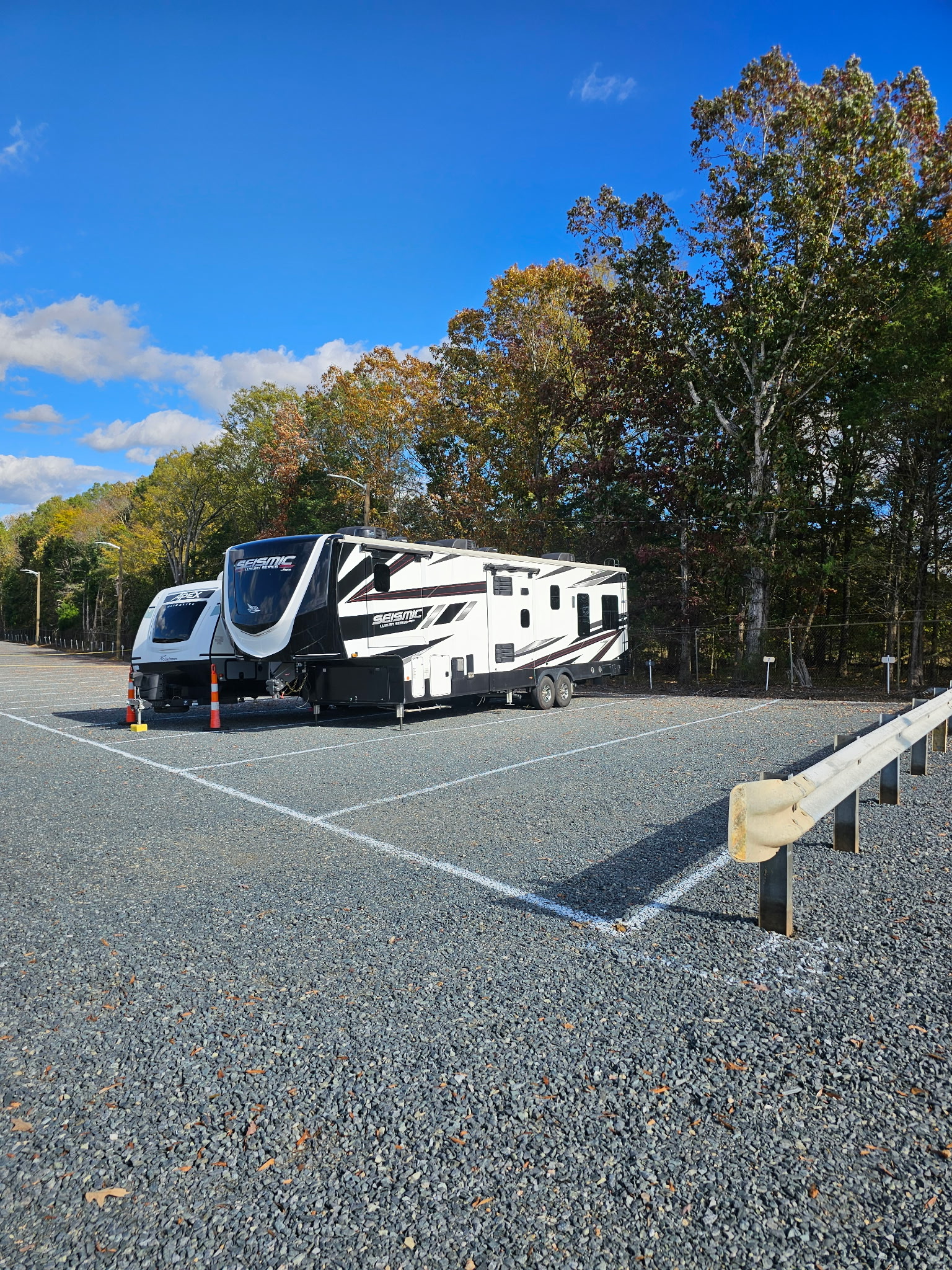
What Security and Access Look Like After the Boat Is Parked?
Once the winterized boat is on the lot, the daily question is access and who is watching. The facility uses gated access, a well-lit premises, and 24/7 video surveillance. An office is on site if you need a person to talk to.
Boat spaces follow the 6:00 AM to 9:00 PM daily window. Plan your retrieve inside that window. Early starts at 6:00 AM fit a weekend boater who wants to be on the water without waiting.
Parking is month-to-month through the season and the off-season. Launch plans change.
Outdoor parking near Indian Trail serves owners who want the boat watched and easy to grab. Gated parking keeps casual traffic out of the rows. Cameras run all day and all night.
Vehicle access still ends at 9:00 PM. Call the office if you need a person on site during access hours.
What Winter-Prep Mistakes Show Up on an Outdoor Lot?
A short list of mistakes shows up after the boat has sat:
- Skipping the water-system drain. Ice finds the line you forgot.
- Leaving fuel untreated or the engine unprepared for a long sit.
- Leaving the cover loose. Wind lifts it. Rain pools on it.
- Ignoring the trailer. Flat tires and dead lights ruin a 6:00 AM hitch-up.
- Assuming 24-hour boat access. Gate hours for boat and trailer spaces are 6:00 AM to 9:00 PM. Video surveillance runs 24/7. Vehicle entry does not.
Correct the last two with those facility facts before you plan a midnight pickup. Correct the rest with owner-done boat maintenance before you park.
These are the gaps that turn a spring retrieve into a repair day.
Where Can You Park a Winterized Boat in Indian Trail?
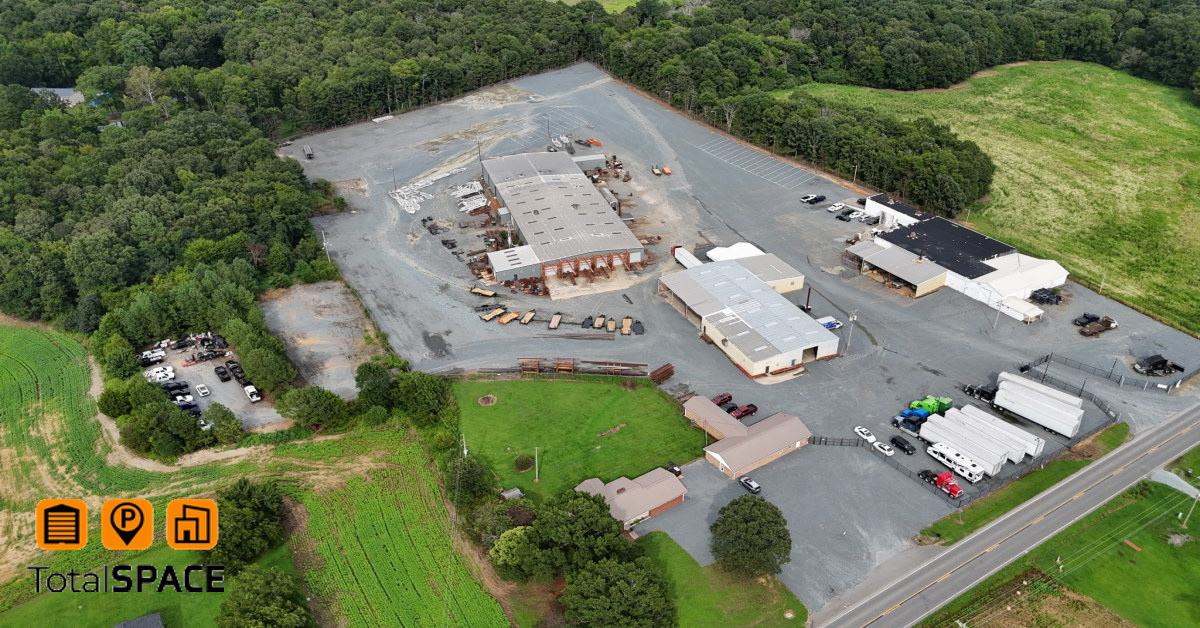
Union County and Charlotte metro boat owners can park a winterized boat-on-trailer at 1512 NC-218, Indian Trail, NC 28079. You finish boat maintenance. Total Space provides the outdoor lot, the gate, the lighting, and 24/7 video surveillance.
Spaces for a boat-on-trailer run in the 10x20 to 12x30 range. Access is 6:00 AM to 9:00 PM daily. Parking is month-to-month.
Learn More or call (980) 455-8398. Ask about a space that fits your trailer. The areas we serve page lists Union County communities.
Bring a winterized boat. The lot will hold it until you hitch up and go.
Tell the office you need boat parking for a winterized rig, not a climate-controlled unit. Call before you tow so the space is ready.
You handle the winterizing. They handle the lot.
Well-Lit. Well-Protected. Well-Managed. That's Total Space.
Total Space
Well-Lit. Well-Protected. Well-Managed. That's Total Space.
1512 NC-218, Indian Trail, NC 28079 · (980) 455-8398 · Contact