RV Storage Security: Gated Entry, Cameras, Lighting
See how RV storage security works at Total Space in Indian Trail, NC: gated entry, 24/7 cameras, and well-lit outdoor parking for RVs, boats, and trucks.
What RV Storage Security Looks Like: Gated Entry, Cameras, and Lighting
TL;DR / Quick Summary - RV storage security on an outdoor lot comes down to three inspectable features: gated entry, cameras, and lighting. - Gate access for RV, boat, car, and trailer spaces runs 6:00 AM to 9:00 PM daily. - 24-hour gate access applies to 12x75 tractor-trailer spaces only. - Total Space is outdoor covered and uncovered parking at 1512 NC-218, Indian Trail, NC 28079.
RV storage security on an outdoor lot in Indian Trail comes down to three features you can inspect in person: gated entry, cameras, and lighting. Video surveillance runs 24/7. That 24/7 label belongs to cameras, not to RV gate hours.
Gate access for RV, boat, car, and trailer spaces runs 6:00 AM to 9:00 PM every day. The lot is outdoor parking, covered and uncovered, serving Union County and the Charlotte Metro Area.
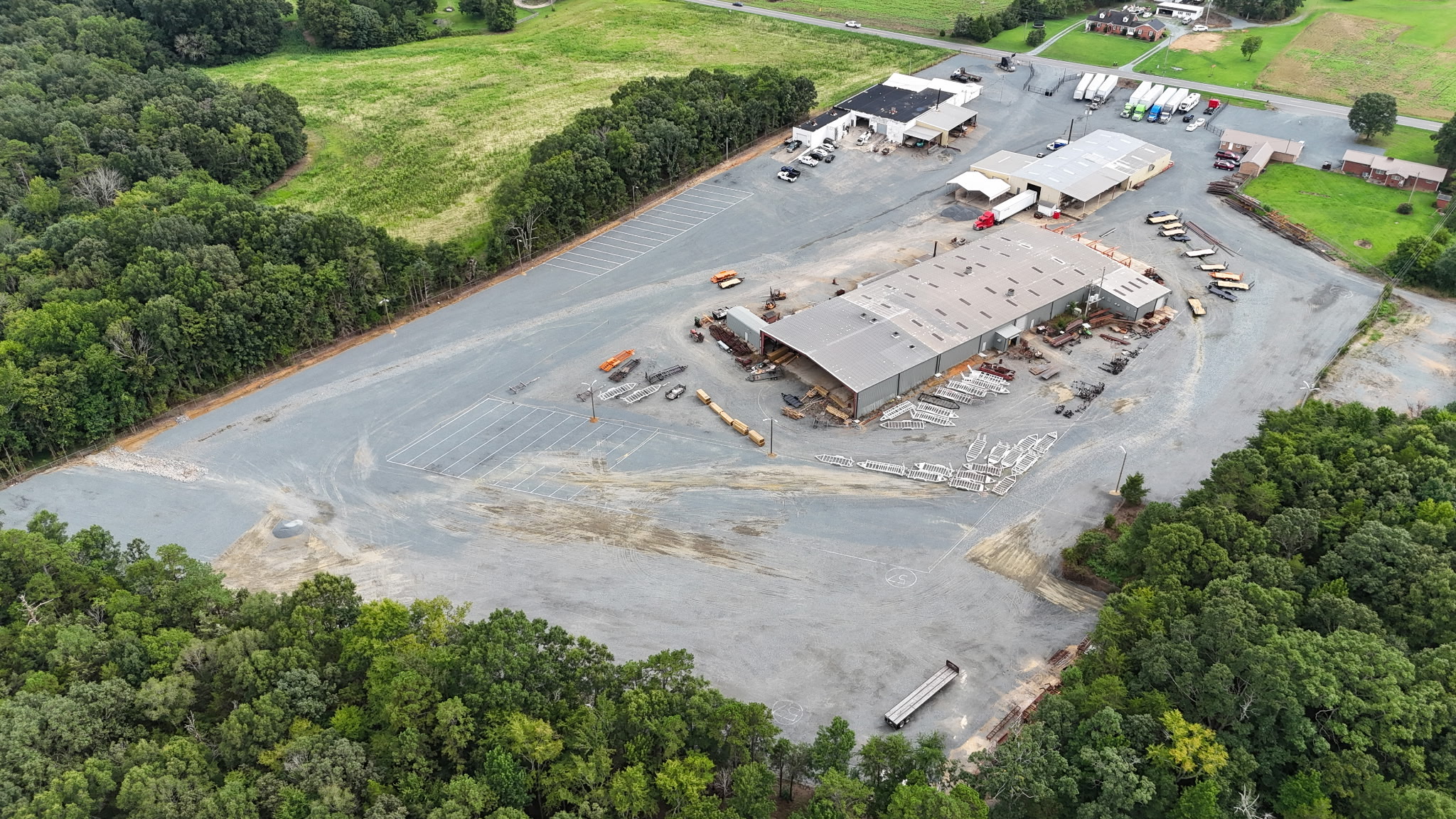
Why does outdoor-lot security matter between trips?
You own a motorhome or travel trailer. You take it out several times a year. The rest of the time the vehicle sits.
A driveway next to the house often cannot accept a 12x35 or 12x45 rig. Leaving it on the street puts an expensive coach in the open: no gate, no cameras, weak light, and no one assigned to the property.
A watched, lit, gated outdoor lot is the practical answer for Union County vehicle storage. You park in a sized stall and leave. The vehicle stays behind gated entry, under 24/7 video surveillance, and on a well-lit premises.
When a trip comes up, you return during posted hours, start the coach or hitch the trailer, and roll out without waiting on a person to meet you at a lock.
Boat storage often starts with a trailer that will not fit in the driveway. You want the boat off the street, on a surface that stays usable in wet weather, with a straight approach so you can hitch up and leave early.
What does “outdoor lot” mean for RV parking?
At Total Space, “outdoor lot” has a plain meaning. Parking is outdoors. You can choose outdoor RV and vehicle parking in a covered space or an uncovered space.
Security is a lot job, not a building job: who gets through the gate, who the cameras record, and how well you can see the stalls after dusk.
How does gated entry control who reaches RV parking?
Gated entry is a real control on who reaches the vehicles. The public road stops at the gate. Renters with a current space enter during posted hours.
Strangers do not drive the lanes looking for an open stall. That is gated parking as a daily practice.
Total Space uses month-to-month leases. You park for the season you have, then continue or stop as your travel calendar changes. There is no long-term commitment.
After a space is set up, month-to-month parking payments can be handled online. An office is on site. Someone manages the property.
You are not leaving a high-value coach on an unmarked field.
Convenience sits beside security. A long RV should enter, turn, and park without a second person on the radio. Inside posted hours, you handle arrival and departure yourself.
The gate is the checkpoint. The on-site office is where you ask about stall size, covered versus uncovered, or a start date.
What are the daily access hours for RV, boat, and trailer spaces?
Do not read 24/7 video surveillance as 24/7 lot entry for these spaces.
Early lake starts match the 6:00 AM open. You can hitch a boat and leave at dawn. Evening returns match the 9:00 PM close.
You can bring a coach back after a weekend and still be inside the window.
Access hours and tractor-trailer parking questions come up often. Confirm the hours for your space type before you plan a 5:30 AM departure.
Which parking spaces have 24-hour gate access?
24-hour gate access applies to 12x75 tractor-trailer and semi-truck spaces only. That is the truck parking tier for owner-operators, local delivery drivers, and fleet managers who run on a clock that ignores office hours.
Gate reliability, turning room, and lighting still matter for those rigs. RV, boat, car, and trailer spaces stay on 6:00 AM to 9:00 PM. Mixing the two creates a wrong expectation at the gate after 9:00 PM.
| Space type | Gate hours | Video surveillance |
|---|---|---|
| RV, boat, car, and trailer spaces | 6:00 AM to 9:00 PM daily | 24/7 |
| 12x75 tractor-trailer / semi-truck spaces | 24-hour gate access | 24/7 |
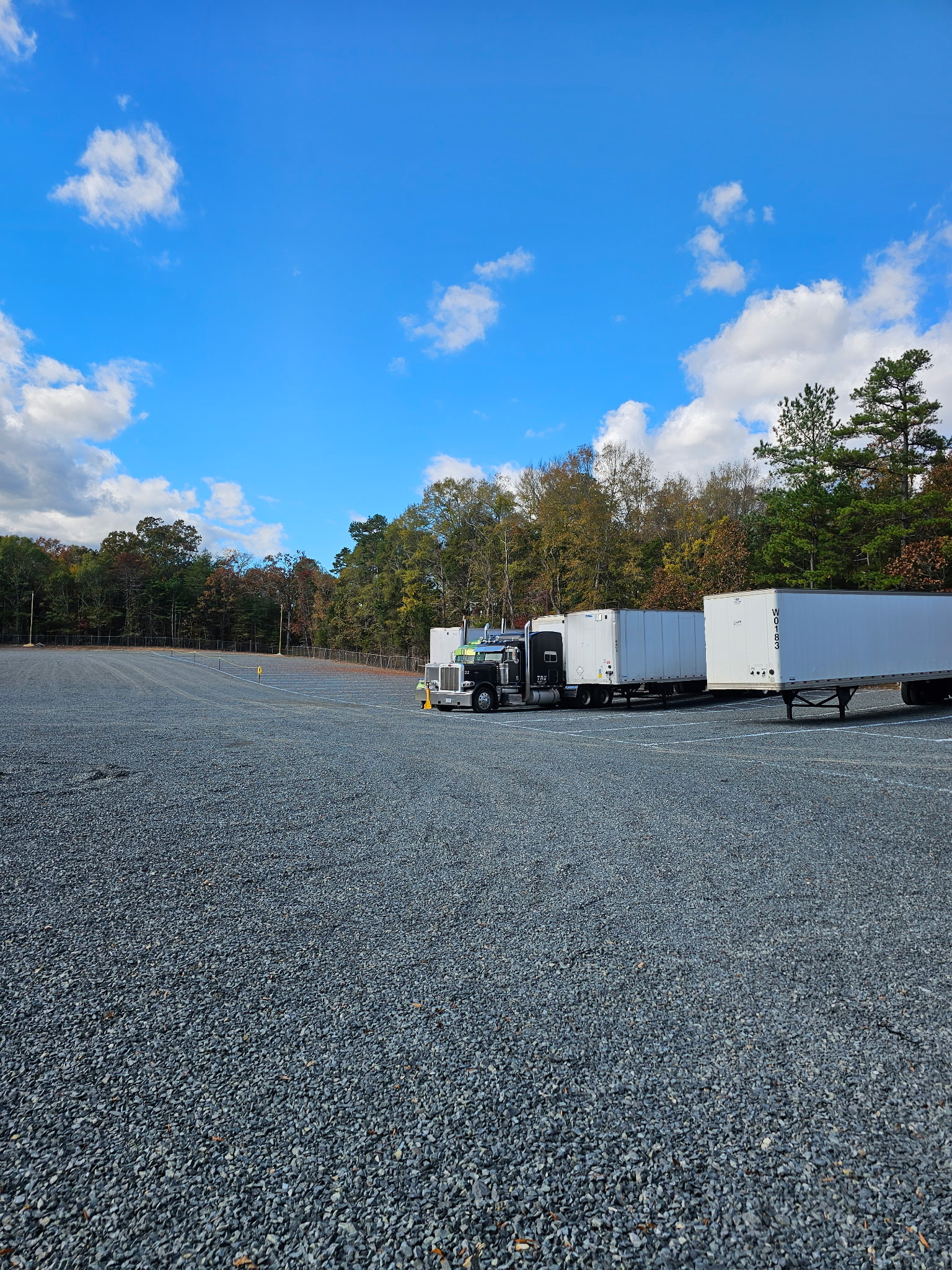
How does 24/7 video surveillance work on an RV lot?
That answers the question most RV owners actually ask: is the lot watched when I am home? The cameras stay on. The lot is documented after 9:00 PM and before 6:00 AM.
Gated entry still decides who drives in during access hours. Cameras do the watching after the gate stops admitting RV and boat traffic. An expensive motorhome or a boat on a trailer spends most of its life parked.
Those parked hours need eyes.
24/7 belongs to surveillance. It does not belong to RV, boat, car, or trailer gate access. Keep those two clocks separate when you compare facilities.
What do cameras do, and what do they not change?
Cameras support security all day and all night. They do not change gate hours for RV, boat, or trailer spaces. You still arrive and leave between 6:00 AM and 9:00 PM.
The recording continues after close and before open. For a motorhome parked through the off-season, or a boat parked through the week, that split is the point: the vehicle is watched when you cannot be there, and the gate still limits who can roll onto the lot.
Why does lighting matter on a well-managed outdoor lot?
Lighting is the third pillar, equal in weight to the gate and the cameras. Total Space puts it in the tagline: Well-Lit. Well-Protected. Well-Managed. A well-lit premises is a security feature and a usability feature.
Dark stalls hide movement. Lit stalls show the drive lane, the numbers, the other vehicles, and the gate. You can walk to your coach.
You can see a hitch, a lock, and a puddle. Cameras get a usable image. People on the property can be seen.
The clock on the gate makes lighting a requirement. 6:00 AM in winter is dark. 9:00 PM most of the year is dark.
Start a lake day at open or return a rig near close, and you are working in those hours. Lights make Indian Trail parking usable at both ends of the access window.
How do long rigs and wet weather change what you need to see?
A 12x35 to 12x45 RV needs room to turn and a surface that stays usable in the rain. A 10x20 to 12x30 boat-on-trailer needs a straight pull-through so you are not fighting a jackknife in the wet. Lighting lets you see the lane, the stall, and the other units before you commit to the turn.
RV owners already choose on security, lighting, and how easily a long rig can turn in the lot. Boat owners compare on security, lighting, and ease of access. Those are inspection items.
You verify them on site in the same light you will use at 6:00 AM.
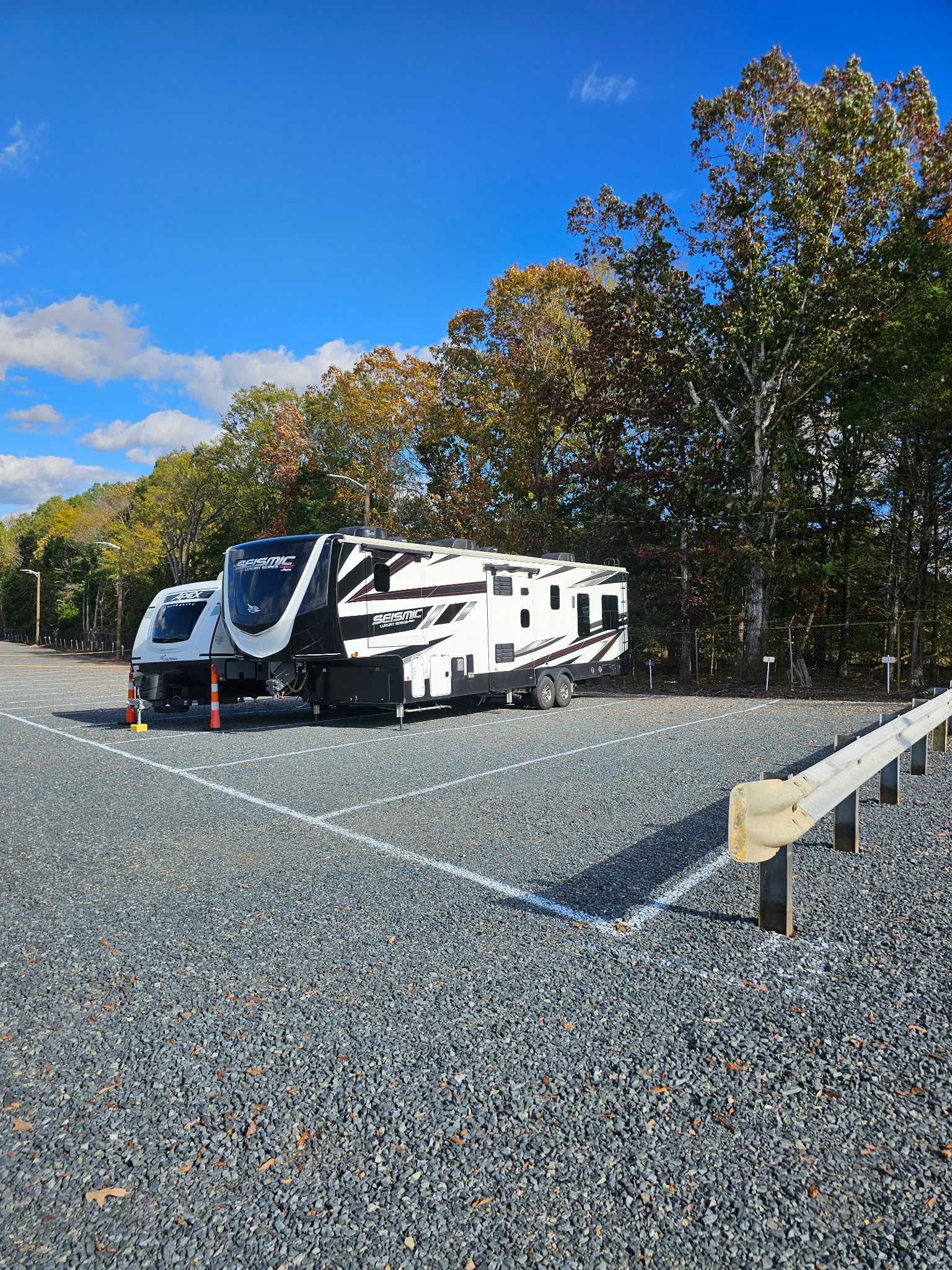
How do gated entry, cameras, and lighting work together?
Gated entry, cameras, and lighting are one system. The gate controls who reaches the lot. Video surveillance keeps eyes on the property day and night.
Lighting makes the lot usable at dawn and after dusk, and it gives cameras a clear view of stalls and lanes.
That is the plain-language test for secure parking on an outdoor vehicle lot. A gate with no light leaves you blind at open. Cameras with no gate leave the drive open to anyone.
Lights with no cameras and no gate are a bright field with no control.
Total Space runs the three together as facility practice: security, convenience, and quality facilities. Month-to-month terms keep the relationship flexible. Covered and uncovered outdoor stalls match how you park a rig, a boat, or a trailer.
Owners in nearby Union County and the Charlotte Metro Area can treat this as a local lot.
How do you inspect RV storage security in person?
The fastest way to judge RV storage security is to stand on the lot. Inspect the three features this article named.
- Gate: How do you enter? Who can follow you in? Is entry limited to people with a space?
- Cameras: Can you see camera presence covering lanes and stalls?
- Lighting: Visit near 6:00 AM or near 9:00 PM if you can. See the stalls the way you will use them.
- Posted hours: Read access hours for your vehicle type. RV, boat, car, and trailer spaces use 6:00 AM to 9:00 PM daily.
- Outdoor type: Confirm covered versus uncovered. This facility has no indoor units and no climate control.
- Space length: Bring your measurements. RV parking often needs 12x35 to 12x45. Boat-on-trailer parking often needs 10x20 to 12x30.
- Terms: Ask about month-to-month. Confirm an on-site office.
- Location: 1512 NC-218, Indian Trail, NC 28079
You can inspect this property. Drive the turn in the vehicle you will store, or walk the lane with your length in mind.
What should you confirm before you reserve a space?
Before you reserve, confirm four facts:
- Gate hours for your space type are 6:00 AM to 9:00 PM unless you are renting a 12x75 tractor-trailer space.
- 24-hour gate access exists only on that 12x75 semi-truck tier.
- Video surveillance runs 24/7.
- The space is outdoor covered or uncovered parking.
A contract or lease question goes to the operator or a qualified professional. This article describes facility practices. It does not interpret documents or rights.
Learn More if you want a stall walked with you.
Where can you inspect RV storage security in Indian Trail?
Union County and Charlotte Metro owners can judge RV storage security in person at 1512 NC-218, Indian Trail, NC 28079. Call (980) 455-8398. Email info@totalspace.com.
Ask about a covered or uncovered space, walk the gate, and look at the cameras and the lights.
Daily access for RV, boat, car, and trailer parking is 6:00 AM to 9:00 PM. Video surveillance runs 24/7. The premises are well-lit.
Leases are month-to-month. An office is on site. Come see the lot the way you will use it: at the hour you would pull in, with your rig length in mind.
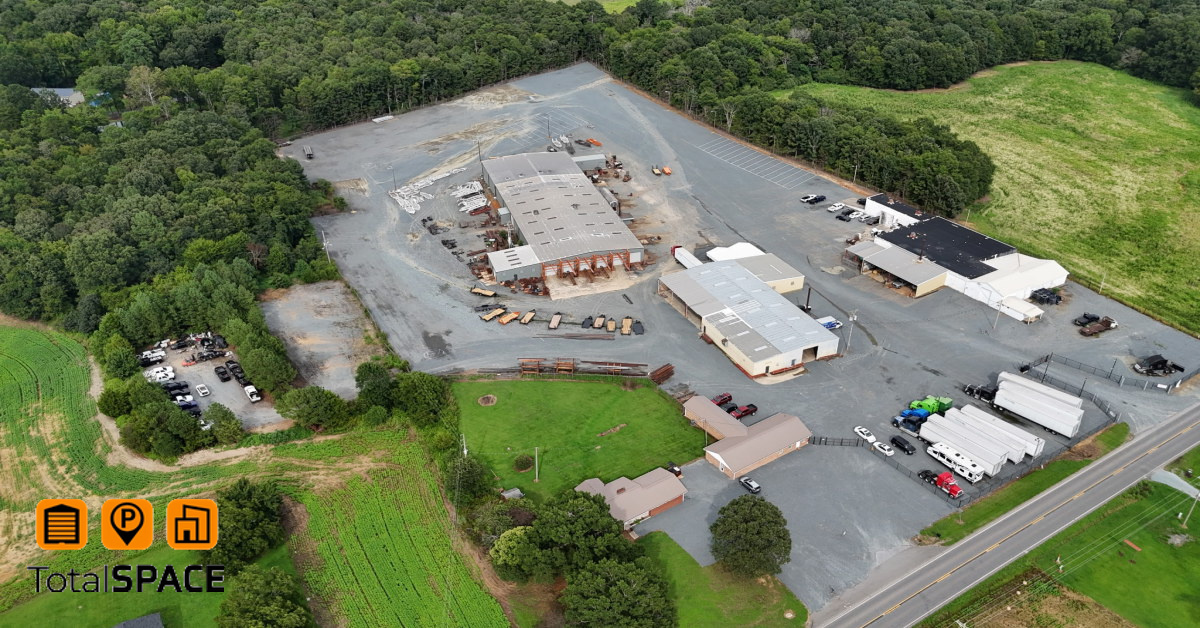
Total Space
Well-Lit. Well-Protected. Well-Managed. That's Total Space.
Total Space is a secure outdoor parking facility at 1512 NC-218, Indian Trail, NC 28079, serving RV owners, boat owners, truck drivers, and fleet managers across Union County and the Charlotte Metro Area. The lot offers covered and uncovered parking with gated entry, 24/7 video surveillance, and well-lit premises. Daily access for RV, boat, car, and trailer spaces is 6:00 AM to 9:00 PM; 24-hour gate access applies to 12x75 tractor-trailer spaces only. Leases are month-to-month.
Call (980) 455-8398 · info@totalspace.com · Learn More