What Happens to a Car That Sits for 6 Months
A car unused for six months often comes back with a dead battery, flat-spotted tires, and stale fuel. Vehicle storage at a gated lot keeps it ready to drive.
What Happens to a Car That Sits for Six Months and How Vehicle Storage Helps
TL;DR / Quick Summary A car unused for six months often comes back with a dead battery, flat-spotted tires, stale fuel, sun-faded paint, and pest risk. Vehicle storage at a gated, well-lit lot in Indian Trail keeps the car off the street and ready to pick up from 6:00 AM to 9:00 PM.
A car left unused for six months does not stay the same. Battery drain, tire flat-spotting, stale fuel, weather, and pests each take a share of the damage. Outdoor parking in Union County puts the car in a watched space you can reach during posted access hours.
What Happens If You Do Not Drive a Car for Six Months?
A car is built to move. Six months of rest hits electrical systems, tires, brakes, fluids, fuel, paint, and quiet cavities that attract pests.
Those issues show up as a no-start morning, a thump in the first mile, or a cabin that smells like something nested in the air filter. Idle time is the trigger. Motion is what these parts expect.
RV owners and other drivers in the Charlotte Metro hit this pattern when travel season opens, when a second vehicle waits between trips, or when the car has no useful slot at home. Leaving it "for now" turns into half a year.
Why Does a Car Battery Die After Months of Sitting?
Modern cars never fully sleep. Alarms, clocks, and computers draw current with the engine off. Over a long sit, that draw empties the battery.
You return, press the button, and nothing happens. A dead battery is the most common greeting after months unused.
Jump-starting may get you moving. A battery that sat discharged can lose the ability to hold a charge. Corroded terminals and a weak electrical system add friction to the first drive.
Treat a six-month sit as an electrical problem first. Plan for a charged, healthy battery before you leave. Check it when you come back.
A watched lot does not charge the battery. It does keep the car in a place you can reach during posted access hours.
Do Tires, Brakes, and Fluids Suffer When a Car Sits?
Tires that rest in one place for months can develop flat spots. The rubber compresses against the pavement and holds that shape. The first miles back may feel like a thump or a vibration.
Pressure drops over time. Low tires make that flat-spotting worse.
Brakes tell a similar story. Pads sit against rotors. Moisture and time can leave surface rust on rotors.
The first stop may feel grabby or noisy until the rust wears off. In a long sit, that surface rust is common. Seized calipers are a worse version of the same idle problem.
Fluids need circulation. Engine oil, transmission fluid, and coolant do their jobs when the car runs. Sitting still, they settle.
Seals can dry. Moisture can collect. The car may look clean in photos and still feel off on the first drive home from vehicle storage.
How Do Fuel, Weather, and Pests Damage a Sitting Car?
Gasoline does not stay fresh forever. A tank that sits for months can leave you with fuel that starts hard or runs rough. A reasonably full tank reduces air space in the tank.
Weather is the outdoor piece. Sun fades paint and dries rubber. Rain and temperature swings work on seals, wipers, and interiors.
An uncovered driveway takes the full hit. A covered outdoor space cuts sun and a share of the rain. This remains outdoor parking.
Pests look for quiet, dry cavities. Rodents chew wiring and nest in air boxes, cabin filters, and exhaust. A street-parked car with a cover half on is an invitation.
A gated, well-lit lot does not make pests impossible. It does cut casual access and puts the car where staff and cameras can see it.
How Do You Prepare a Car Before a Long Sit?
Prep is what makes the six-month sit less expensive in time and repairs. Do this work at home, then drive the car to the lot and park it for the season.
- Wash the exterior and vacuum the interior. Food crumbs and damp floor mats attract pests. Remove the trash, the gym bag, and anything that smells like a snack.
- Fill the tank to a high level so less air sits above the fuel.
- Set tire pressure to the door-jamb spec.
- Check battery terminals. If the battery is old and already weak, replace it before you leave.
- Park the car in gear or in park. Follow the owner's manual for storage.
- For a long sit, some owners use wheel chocks and leave the parking brake released so the brake does not seize.
- Plan retrieval around gate access. Hours run 6:00 AM to 9:00 PM every day.
That window covers an early departure and an evening return. It is not overnight walk-up access. Write the access hours down before you leave town.
If you need the car at 5:30 AM, you need a plan that fits the gate. A prepared car in a gated space beats a dirty car on the curb with a tired battery.
Why Is Driveway or Street Parking a Weak Plan for Six Months?
Plenty of Union County owners start with the driveway. Then the space runs out. The RV already fills the pad.
The car has no remaining slot. Street parking leaves a daily driver on the curb for months, in the weather, with no gate and no cameras pointed at it on purpose. A six-month sit is long-term vehicle storage.
Most owners never call it that.
A car left at the curb or tucked beside the house gets no gate and no dedicated cameras. Passersby can walk up. Nobody is watching the lot at 2:00 AM except whoever happens to live there.
Gated parking changes the picture. A well-lit premises makes the car visible after dark. 24/7 video surveillance runs on the cameras.
You trade a random curb for a managed place. Outdoor parking near Indian Trail puts that option in Union County, close to Charlotte Metro owners who need it.
How Does Outdoor Vehicle Storage in Indian Trail Protect a Sitting Car?
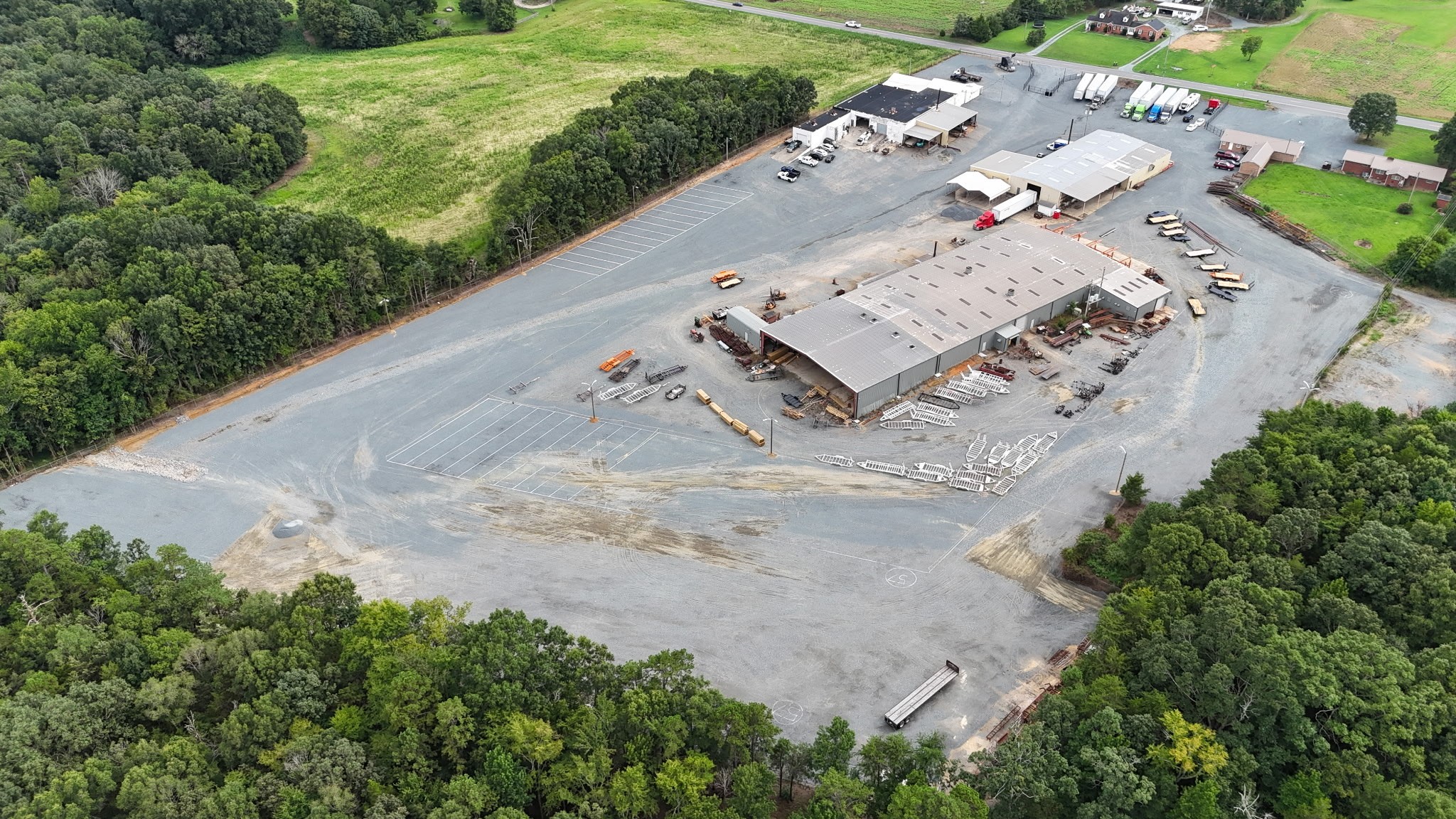
The local answer is outdoor vehicle storage in Indian Trail. You keep the car in a space built for vehicles, watched, and easy to retrieve during daily access hours.
Total Space is a secure outdoor parking facility at 1512 NC-218, Indian Trail, NC 28079. The car sits in a managed lot instead of a driveway that cannot hold it.
Security and convenience sit at the center of that choice.
Should You Choose Covered or Uncovered Outdoor Parking?
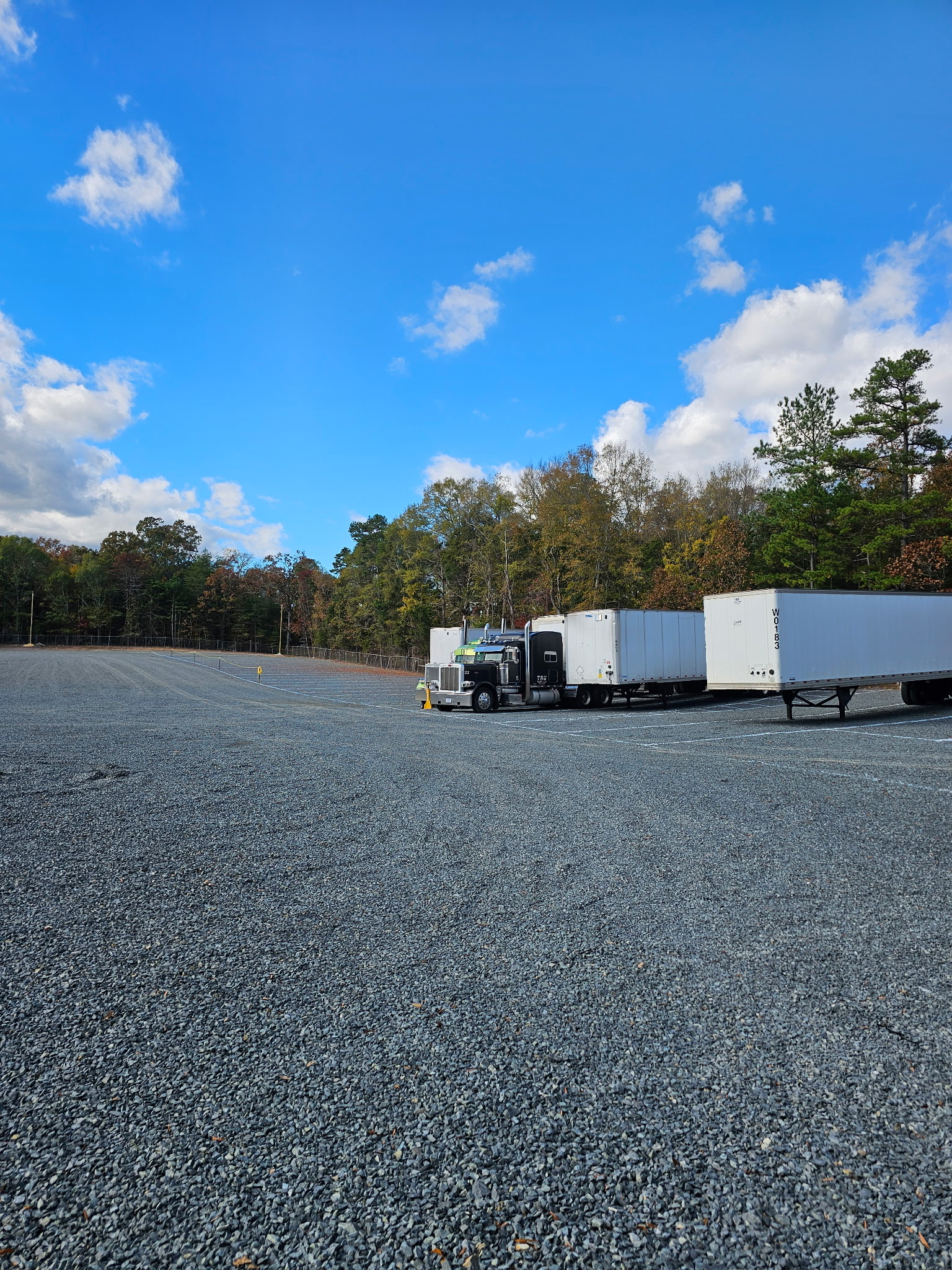
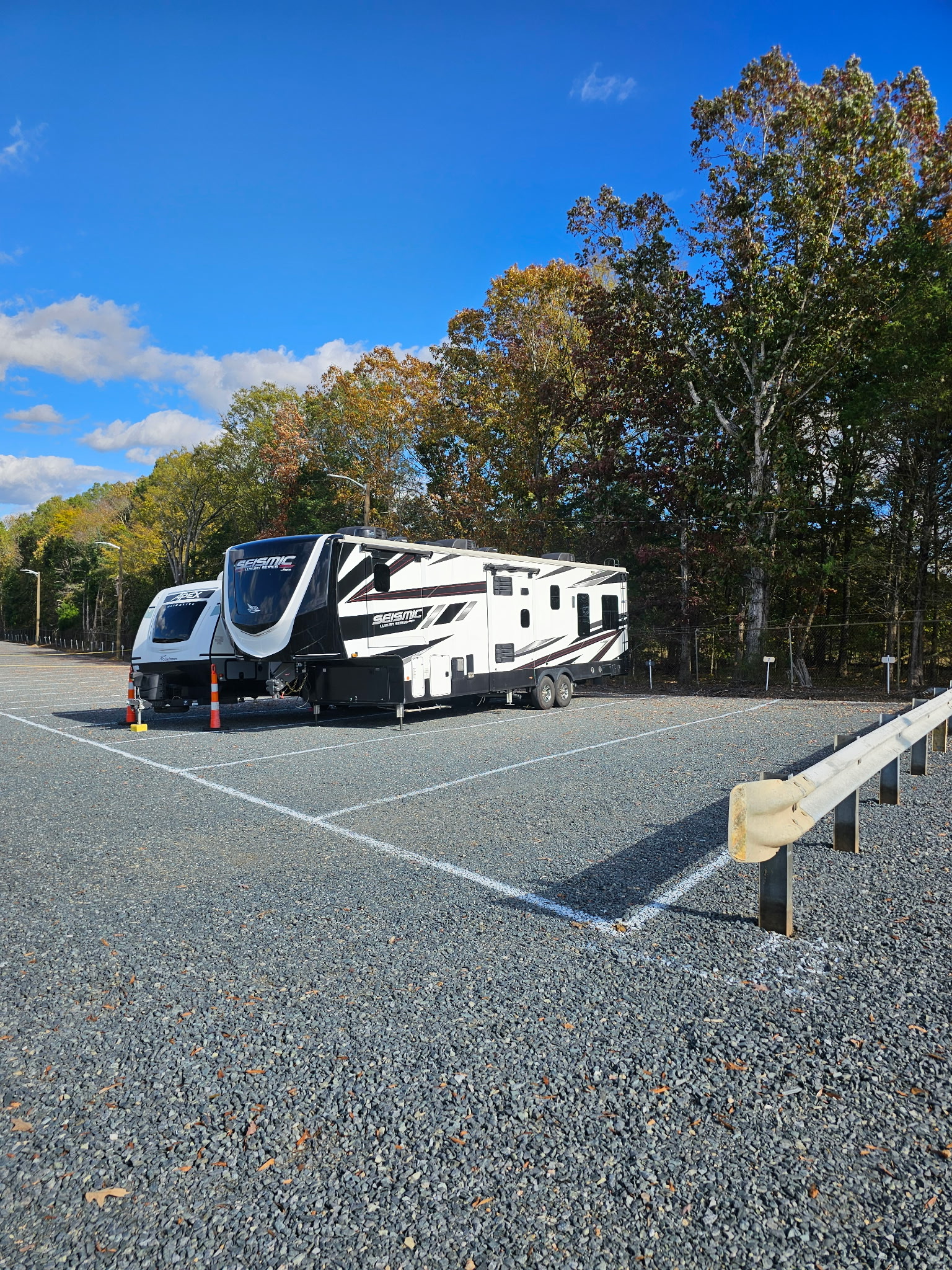
Total Space offers outdoor parking only. Spaces come uncovered, covered, or covered with an electric hookup.
No indoor units. No climate control. For a six-month sit, cover is about sun, rain, and sap.
| Space type | Weather protection | Best fit for a long sit |
|---|---|---|
| Uncovered outdoor | Full sun and rain on the vehicle | A watched lot beats a random street stall |
| Covered outdoor | Cuts UV and a share of precipitation | Less sun and rain on paint, rubber, and interior |
| Covered with electric hookup | Cover plus electricity at the stall | Owners who need electricity at the space |
Pick the outdoor option that matches how long the car will sit and how much weather you want off the paint. Choose a space that actually fits the vehicle. Outdoor parking options for cars, RVs, boats, and trailers sit on the same lot.
How Do Gated Access, Lighting, and 24/7 Video Surveillance Protect a Sitting Car?
Security is the reason the car is here. Total Space uses secure gated access. The premises are well-lit.
Video surveillance runs 24/7. That 24/7 figure applies to cameras, not to the gate.
A sitting car is a quiet target on a dark street. On a lit, gated lot with cameras, casual walk-ups get harder, and there is a record of who came through.
You are not hiring a person to stand next to the bumper. You are putting the car in a place built for vehicles to sit without becoming a neighborhood problem.
What Are Daily Access Hours and Month-to-Month Leases?
Gate access is 6:00 AM to 9:00 PM, Sunday through Saturday. That schedule applies to car, RV, boat, and trailer spaces.
It is not 24-hour access. It is not 24/7 gate access. Confirm access hours and how the lot works before you plan a dawn departure.
Month-to-month leases mean you are not locked into a long contract. No long-term commitment.
RV season ends. A work trip appears. The car needs to come home.
When a trip comes up, you pull in during posted hours and collect the car. The vehicle stays out of the weather and under watch, then back in your hands without a long lease attached.
Where Can Union County Drivers Store a Car for Six Months?
Six months of sitting has real costs: a dead battery, flat-spotted tires, stale fuel, faded paint, and the chance something nested in the engine bay. A driveway or a curb gives you none of the controls that cut those risks.
Gated parking and outdoor parking in Indian Trail give Union County and Charlotte Metro owners a practical next step. Total Space provides vehicle storage in Indian Trail with covered and uncovered outdoor spaces, gated access, well-lit premises, and 24/7 video surveillance.
You reach the car from 6:00 AM to 9:00 PM. Leases run month to month.
Call (980) 455-8398. Learn More. An office is on site if you want a walkthrough of space types.
If the motorhome is the vehicle that actually travels, look at RV parking between trips on the same lot. Keep the car somewhere safer than the driveway. Then go take the trip.
Well-Lit. Well-Protected. Well-Managed. That's Total Space.